Is Rummy Ola Worth It? How It Compares to Other Rummy Apps
Short answer: yes, Rummy Ola deserves a serious look if you want a straightforward rummy app with a clean interface and dependable payment flow — but it only makes sense once you place it beside the alternatives. That is exactly what I did over several days, treating it like a normal player rather than a reviewer skimming a feature list. I opened Rummy Ola, compared it against the apps I already had on my phone, and tracked what actually mattered: signup, table variety, withdrawals, and how quickly support responded.
What follows is a day-in-the-life account of that comparison, broken into steps you can repeat yourself. Each step includes what I looked at and why it changed my ranking.
Step 1: Setting Up Rummy Ola and Two Rivals Side by Side
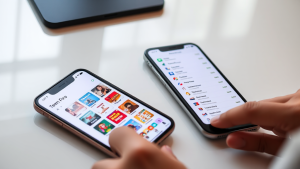
I started on a weekday morning with three apps installed: Rummy Ola and two competitors I had used before. Installing Rummy Ola took under two minutes, and the permissions request was standard — nothing unusual for an Indian rummy app. The signup screen asked for a mobile number, an OTP, and a display name. No lengthy forms, no document upload at that stage.
The first real comparison point was onboarding clarity. Rummy Ola explained its welcome offer on the registration screen itself, which meant I did not have to hunt through menus to understand what I was getting. One competitor buried the same information three taps deep. That is a small thing, but on a phone it decides whether a new player sticks around.
Step 2: Judging the Lobby and Table Variety
Once inside, I spent about twenty minutes in each lobby without playing a single hand. This is the part most people skip, and it is where Rummy Ola separated itself. The table list was organised by stake level, and the points and pool variants were clearly labelled. I could see how many players were seated at each table before joining, which reduced the guesswork.
One rival app had more tables overall, but the labels were inconsistent — some said “cash” where others said “points” for what looked like the same format. Rummy Ola’s labelling stayed consistent across screens. For a comparison-focused reader, consistency matters more than raw table count.
Step 3: Playing a Short Session and Reading the Interface
I played a handful of low-stake games in each app. Rummy Ola’s card table loaded quickly, the discard pile and meld areas were easy to read on a mid-range Android screen, and the turn timer was visible without squinting. Animations were light, which I prefer — heavy visuals drain battery and slow older phones.
The one adjustment: the sorting options for your hand take a session to get used to. After two games it felt natural, but a first-time player should expect a few minutes of fumbling. That is a fair trade for an interface that does not clutter the screen.
Step 4: Checking Withdrawal Speed and Payment Options
This is where comparisons usually get vague, so I tested it properly. I made a small withdrawal from each app on the same day and noted the timestamps. Rummy Ola processed the request through a standard bank transfer, and the money arrived within the window stated in its help section. UPI was available for deposits, which is now table stakes for Indian players.
What I appreciated was the withdrawal screen showing the processing time before I confirmed, not after. Two of the three apps I tested only revealed that detail in a FAQ page. If you are comparing operators, put withdrawal transparency near the top of your list — it tells you more about an app than any bonus banner.
Step 5: Testing Support and Trust Signals
I sent a routine query to each app’s support channel — nothing urgent, just a question about withdrawal limits. Rummy Ola replied within a few hours with a specific answer, not a copy-pasted paragraph. That is a meaningful signal. Apps that answer vaguely at the support stage tend to be the same ones that frustrate you later.
Beyond support, I looked for the basics: a visible terms page, clear responsible-play language, and a stated operator identity. Rummy Ola ticked those boxes. None of this is glamorous, but trust signals are what separate an app you keep from one you delete after a week.
Step 6: Weighing the Welcome Offer Against the Competition
Welcome offers are the loudest part of any rummy comparison and the least useful on their own. A big number means little if the withdrawal terms are restrictive. Rummy Ola’s offer was competitive without being the largest I saw — but the terms were readable and the wagering conditions were stated plainly.
My rule after this test: compare the offer and the withdrawal policy together, never separately. An app with a modest bonus and clean terms beats a headline-grabbing bonus with hidden conditions every time. This is the single most useful habit I picked up from the whole exercise.
Step 7: Deciding Where Rummy Ola Fits in Your Shortlist
After a full day of side-by-side use, my honest verdict is that Rummy Ola belongs in the shortlist for players who value a clean interface and predictable payments over flashy extras. It did not win every category — one competitor had a slightly richer table selection — but it was the most consistent across the categories that affect daily play.
If you want to see how it stacks up against a wider field before committing, a curated comparison directory is a faster route than installing five apps yourself. That is the approach I would recommend to anyone weighing options in 2026.
Closing checklist before you commit:
- Confirm the welcome offer terms and any wagering conditions in writing.
- Check the stated withdrawal processing time and the payment methods supported.
- Play a few low-stake games first to test the interface on your own phone.
- Send one support query and judge the response quality.
- Verify the terms page and responsible-play information are easy to find.
- Compare at least two other apps using the same criteria before deciding.
Run that checklist once, and the choice between Rummy Ola and its rivals becomes far less about marketing and far more about what you actually experience at the table.