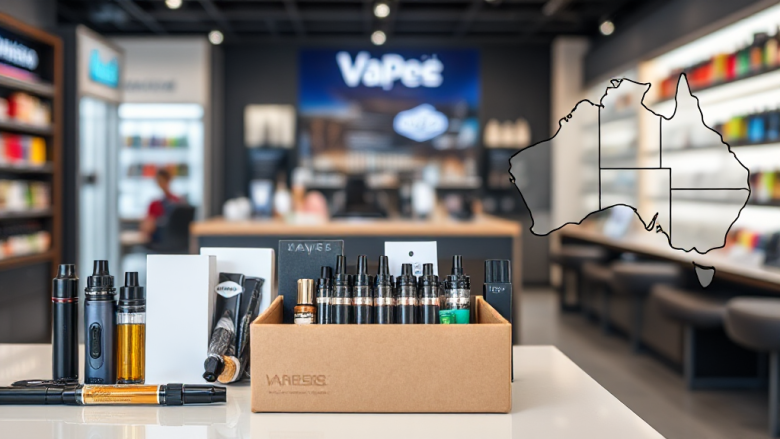
Disposable Vape Myths Australian Shoppers Still Believe
You have probably heard someone say it: disposable vapes are all the same, they are all fake, or they all come from the same factory with a different sticker on the box. It is a claim repeated in group chats, comment sections, and workplace kitchens with total confidence. The quieter reality is that the market is far more varied, far more brand-driven, and far more dependent on where you buy than most shoppers realise. This piece walks through the myths that still shape how Australian adults think about disposable vapes Australia shoppers buy, and separates the assumptions from what is actually on the shelf.
Myth One: Every Disposable Is Basically the Same Device
The most common belief is that disposables are interchangeable. A puff is a puff, a flavour is a flavour, and the brand name on the front is just marketing. Anyone who has actually compared devices side by side knows this falls apart quickly. Puff counts range from a few hundred to several thousand. Battery capacity, coil design, airflow, mouthpiece shape, and the way the device handles the final portion of its e-liquid all differ between models, and those differences are noticeable in daily use.
The confusion usually comes from the fact that many disposables share a similar form factor. A slim rectangular body with a coloured shell does not tell you much about what is inside. Two devices that look almost identical on a shop counter can behave completely differently after a week of use. One may hold flavour consistently to the end, while another fades noticeably in the last third. That is not a small detail for someone who uses the same device daily.
Brand identity matters here. Names like IGET, HQD, Geek Bar, and Vaporesso have built distinct reputations for how their devices perform, and shoppers who follow those brands tend to develop preferences the same way people do with any consumer product. Treating every disposable as identical ignores the engineering differences that brands compete on.
Myth Two: Buying Online Means Buying Fakes
There is a persistent idea that online sellers are somehow less trustworthy than a physical shop, and that anything ordered online is more likely to be counterfeit. In reality, the opposite can be true. A well-run online retailer has to be deliberate about sourcing, because reputation is everything when you cannot rely on foot traffic. Established stores publish their brand list, describe their stock clearly, and back it with delivery and support.
What actually determines authenticity is the supply chain, not the sales channel. A physical shop that buys from a grey-market wholesaler can end up with the same questionable stock as a careless online seller. Meanwhile, a focused online operation that deals directly in recognised brands can offer more consistency than a mixed retailer that treats vapes as a side category.
For shoppers comparing options, the useful question is not physical versus online. It is whether the seller is specific about what they stock and where it comes from. A store that lists named brands, describes product lines in detail, and ships Australia-wide is giving you more information to judge than a shelf with no context. That is the kind of transparency worth looking for, whether you are browsing for vape australia options or checking a local counter.
Myth Three: Flavour Names Tell You What You Are Getting
Another assumption is that a flavour name is a complete description. If it says mango, you get mango. If it says mint, you get mint. In practice, flavour naming is closer to a category label than a precise recipe. Two brands can both sell a “blueberry” device and deliver very different experiences, because the underlying blend, sweetness level, cooling agent, and balance between fruit and menthol all vary.
This is why experienced shoppers stop trusting names alone and start trusting brands. A brand that consistently delivers a certain style of flavour becomes a reference point. If you know how one IGET line tastes, you can make a reasonable guess about another. The same applies across other well-known labels. Consistency is a brand trait, not a naming convention.
It also means that a disappointing first try does not tell you much about an entire category. One poorly matched flavour says more about your choice than about disposables as a whole. The smarter approach is to treat flavour selection as a process of narrowing down which brands and lines suit your taste, rather than expecting a name to do all the work. alibarbar vape Australia
Myth Four: Delivery Is Slow, Risky, and Complicated
Many shoppers still assume that ordering vapes online means a long wait, unclear tracking, and a package that may or may not arrive. This belief often comes from a single bad experience with a general marketplace seller, and it gets applied to the entire online category. Dedicated vape retailers operate differently. They ship Australia-wide, they are set up around this specific product category, and they understand what buyers expect in terms of packaging and timing.
Delivery terms are also more transparent than people assume. Free delivery thresholds and order-based promotions are common, and they are usually stated plainly on the store page rather than buried. A shopper who reads the shipping terms before ordering generally knows what to expect. The uncertainty people describe is often the result of not checking those terms, not a flaw in the channel itself.
There is also a practical advantage to ordering online that gets overlooked. Stock variety. A local counter is limited by shelf space and local demand. An online store can carry a wider spread of brands and lines, which matters if you already know you prefer a specific Iget vape Australia range or want to compare it against something else. Choice is the real benefit, not just convenience.
Myth Five: All Brands Are Interchangeable, So Brand Loyalty Is Pointless
This myth is the flip side of the first one. If all disposables are the same, then caring about brands is irrational. But brand loyalty in this category is not blind. It develops because people notice patterns. A brand that gets airflow right, holds flavour well, and maintains quality across batches earns repeat buyers for concrete reasons. That is normal consumer behaviour, not hype.
Brands like HQD have built followings precisely because users found something consistent in them. The same is true for other recognised names in the market. When a shopper says they only buy one brand, they are usually describing a series of good experiences, not a marketing response. Dismissing that as pointless misses how the category actually works.
That said, brand loyalty should not become brand blindness. New lines appear, formulations change, and a device that suited you two years ago may no longer be your best match. The balanced approach is to have a trusted starting point and stay open to comparing. A store that carries multiple recognised brands makes that comparison easy, which is why shoppers often prefer a retailer with range over one locked into a single label. If you want to see how a HQD vape compares against what you normally use, having both available in one place removes the friction.
There is a related myth worth touching on: that a higher price always means a better device. Price in this category often reflects puff count, brand positioning, and packaging rather than a straightforward quality ranking. A mid-range device from a reliable brand can outperform a premium-priced one from a less consistent label. Price is a signal, not a verdict.
Similarly, many shoppers assume that a bigger puff count automatically means better value. It usually means a larger battery and more e-liquid, which is genuinely useful for heavy users. But if you prefer rotating flavours frequently, a huge device can work against you. Value depends on how you actually use the product, not on the number printed on the box.
One more assumption deserves a mention: that all online stores are the same and the choice of retailer does not matter. It does. Stock accuracy, shipping reliability, brand selection, and clear terms are what separate a smooth order from a frustrating one. A store that specialises in this category and communicates its terms plainly is doing the work that generic sellers skip. That is the practical difference shoppers notice after their first few orders.
Stepping back, the pattern across all these myths is the same. They take a partial truth and stretch it into a rule. Some disposables are similar, so all must be. Some online sellers are unreliable, so all must be. Some flavour names are vague, so names are meaningless. Each claim collapses once you look at the specifics. The shoppers who get the most out of the category are the ones who check brands, read terms, and treat their own experience as the real evidence. That approach beats repeating what someone said in a group chat, and it leads to better choices every time.