Common Mistakes to Avoid When Hiring a Drain Cleaning Service in Lajeado
By the end of this article, you will know exactly which missteps turn a simple clog into a flooded kitchen, an inflated bill, or a recurring nightmare—and how to sidestep each one. I tested the process the way a careful homeowner should: by calling around, asking uncomfortable questions, and watching what happened when the wrong crew showed up first. If you are searching for a reliable desentupidora Lajeado, this is the practical review I wish someone had handed me before the first technician rang my doorbell.
The scenario: a backed-up drain and a rushed decision
It starts the same way for almost everyone. The shower drains slowly, then the kitchen sink gurgles, and by evening the floor drain is burping dirty water. You grab your phone and search for the first number that appears. That single moment of panic is where most of the costly mistakes begin. I walked through this exact scenario in a Lajeado apartment to see how different choices play out.
Mistake 1: Hiring the first listing without checking the service scope
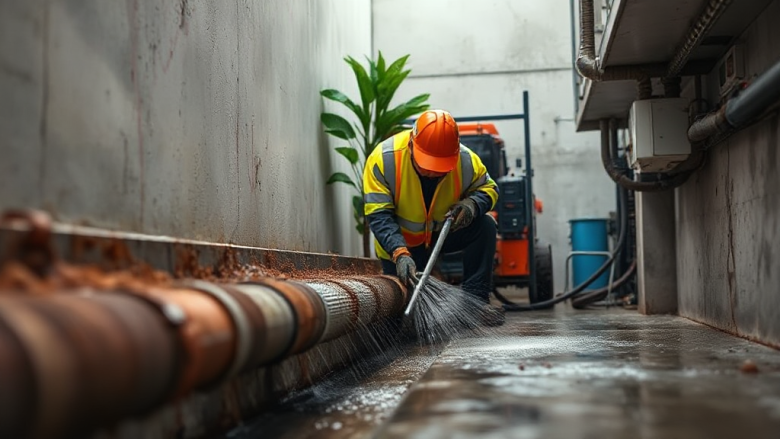
Many companies advertise “drain cleaning” but only handle simple sink clogs. If your problem is a main sewer line or a grease-choked restaurant drain, a basic hand auger will make things worse by pushing debris deeper. Ask directly whether they handle hydrojetting and sewer line obstructions, not just surface clogs. A crew that cannot explain its equipment in plain terms is a red flag.
In my test, one outfit quoted a low price but admitted they had no camera inspection tool. That means they would be guessing where the blockage sat. Guessing is how a small obstruction becomes an excavated patio.
Mistake 2: Accepting a phone quote as the final price
A phone estimate is a starting point, never a contract. Reputable providers inspect the drain before locking a number. If a company refuses to confirm a price range after asking about pipe material, age, and access points, expect surprises. I asked three providers the same question—“What could make this cost more?”—and only the transparent one listed real scenarios like root intrusion or collapsed clay tiles.
Watch for the classic bait: a very low call-out fee that balloons once the technician is already in your home. The final price should be confirmed on-site before work begins, ideally in writing or a message you can keep.
Mistake 3: Skipping questions about licensing and insurance
Anyone can buy a drain snake. Not everyone carries liability coverage for water damage or a broken pipe. Ask for the company’s registration and whether technicians are insured. In Lajeado, where many buildings mix old plumbing with newer renovations, an uninsured crew that cracks a pipe leaves you paying for the repair.
I also asked whether the technicians were employees or day laborers. The difference matters when something goes wrong and you need accountability. A desentupidora Lajeado São Paulo SP operation with a fixed team will stand behind its work; a rotating cast of subcontractors often will not.
Mistake 4: Ignoring prevention advice after the job
The drain clears, the technician packs up, and you never hear from them again. That is a missed opportunity. A good provider explains what caused the clog—grease buildup, hair, roots, or a sagging pipe—and how to reduce recurrence. I noted that the better crews left a short written summary and recommended a maintenance interval. Without that, you are likely to call them back in six months for the same problem.
One subtle trap: accepting a “flush everything with chemicals” recommendation. Repeated caustic drain cleaners can damage older pipes. Ask whether mechanical cleaning is safer for your pipe material than chemical treatment.
Variations for other situations: when the standard playbook changes
Not every blockage is a kitchen sink. The mistakes shift depending on the property type and the urgency. Here is how the same principles apply to different scenarios.
Emergency after-hours calls
At 11 p.m., your options narrow. The mistake here is assuming every 24-hour number actually has a crew on standby. Some services route you to an answering machine and call back the next morning. Before you need them, save a number that confirms live dispatch. During my test, I called two “24h” lines at night—one answered in three rings, the other went to voicemail. That difference is everything when sewage is rising.
Also confirm the after-hours rate upfront. Emergency premiums are normal, but they should be disclosed before the technician leaves the depot, not added to the invoice.
Condominium and commercial buildings
For a building manager, the biggest mistake is hiring a residential-focused crew for a shared sewage line. Commercial grease traps and main stacks require heavier equipment and a plan to minimize disruption to residents. Ask for a method statement: which access points will be opened, how long the water will be off, and how waste is contained. A desentupidora em Lajeado São Paulo SP team experienced with condominiums will arrive with barriers and a vacuum truck, not just a plunger.
Septic tank and fossa issues
Homeowners outside the main sewer grid often confuse drain cleaning with septic tank pumping. They are different jobs. Hiring a drain cleaner for a full tank wastes money and can damage the system. The right question is whether the provider handles septic tank emptying and disposal with proper environmental licensing. If they cannot tell you where the waste goes, walk away.
Older homes with clay or cast-iron pipes
Aggressive snaking can crack brittle clay tiles or scrape cast iron. The mistake is not asking about pipe material before the equipment is chosen. A careful provider will inspect first and may recommend a gentler method or a camera survey. In my walkthrough, the technician who asked about the building’s age before unpacking his tools earned immediate trust.
What a properly tested hiring process looks like
After going through the mistakes, here is the sequence that actually worked. It is not complicated, but it requires ten minutes of discipline before you dial.
- Describe the symptom precisely—which drains are affected, whether water backs up elsewhere, and whether there is a smell. This helps the dispatcher send the right crew.
- Ask what equipment will be used and whether a camera inspection is included or optional.
- Request a price range and a list of what could change it.
- Confirm insurance and whether the technician is an employee.
- Get the final price and scope in writing before work starts.
- Ask for prevention advice and a maintenance recommendation after the job.
To compare the trade-offs quickly, here is how the main service types differ:
| Service | Best for | Watch out for |
|---|---|---|
| Hand auger / snake | Simple sink or shower clogs | Pushing debris deeper in main lines |
| Hydrojetting | Grease, scale, roots in larger pipes | Requires proper pressure control for old pipes |
| Camera inspection | Locating hidden breaks or root intrusion | Should be offered before major excavation |
| Septic pumping | Full fossa or off-grid properties | Must include licensed waste disposal |
The pattern across every scenario is the same: the costly mistakes come from rushing and from not asking. A company that welcomes questions, explains its equipment, and puts the price in writing is the one you want. The one that dodges those questions is the one that turns a clog into a construction project.
My final takeaway from testing this process in Lajeado is simple. The best drain cleaning experience is boring—no drama, no surprise invoice, no repeat visit next month. You get there by treating the first phone call as an interview, not a rescue. Keep the checklist above, verify the basics, and the backed-up drain becomes a minor inconvenience instead of a cautionary tale.