Bright Ideas: Transforming Spaces with Modern LED Lighting Solutions
Bright Ideas: Transforming Spaces with Modern LED Lighting Solutions
Lighting is more than just a practical necessity; it is a design element that shapes the mood, functionality, and aesthetic of any environment. In recent years, LED technology has revolutionized the way we illuminate our homes, offices, and commercial spaces. Whether you are looking to create a cozy ambiance in your living room, improve productivity in your workspace, or highlight architectural features, modern LED solutions offer unparalleled flexibility and efficiency. This article explores the transformative power of LED lighting, focusing on versatile options such as benzi led, and provides actionable insights for incorporating these innovations into your own projects.
LED lighting has evolved far beyond simple bulbs. Today, you can choose from a wide array of products, including flexible strips, recessed panels, and directional spotlights, each designed to meet specific needs. The energy efficiency of LEDs is well known — they consume up to 80% less electricity than traditional incandescent bulbs and last significantly longer. But beyond savings, the real magic lies in their ability to adapt. With dimmable features, color temperature adjustments, and smart controls, LEDs allow you to tailor light to any occasion. For instance, a proiector led can cast a wide, even beam perfect for outdoor security or accenting a garden wall, while a simple aplica led mounted on a hallway wall provides both guidance and style.
Understanding LED Strip Lights: The Flexible Solution
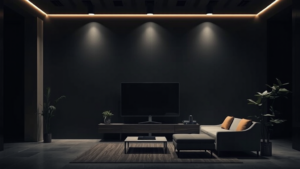
One of the most popular LED products on the market today is the flexible strip light. These thin, adhesive-backed strips contain numerous small LEDs that can be cut to length and installed almost anywhere. They are ideal for under-cabinet kitchen lighting, cove ceilings, stairway accents, and even behind televisions for a subtle glow. The keyword here is versatility — you can bend them around corners, tuck them into tight spaces, and control them with remote or smartphone apps. Many strips are also waterproof, making them suitable for outdoor patios or bathroom mirrors. When selecting strips, pay attention to the density (LEDs per meter) and color rendering index (CRI) to ensure vibrant, natural-looking light. A high-quality benzi led strip will deliver consistent brightness and color accuracy, enhancing the overall look of your space without harsh shadows.
Installation is straightforward: clean the surface, peel off the backing, and press the strip into place. For longer runs, you may need a connector or amplifier to maintain voltage. Always check the power requirements and match them with a compatible driver. If you are new to LED projects, start with a small area like a bookshelf or desk to get comfortable with wiring and positioning. Once you see the effect, you will likely want to expand. The low heat output of LEDs also means they are safe near fabrics or wood, giving you more creative freedom.
Using Spotlights for Focused Illumination
Spoturi led, or LED spotlights, are another essential tool in modern lighting design. Unlike broad floodlights, spotlights concentrate light into a narrow beam, making them perfect for highlighting artwork, sculptures, or specific architectural features. They also work well as task lighting in kitchens or workshops where precision is key. Adjustable models allow you to tilt and rotate the head, directing light exactly where you need it. When planning a gallery wall or retail display, consider using a mix of warm and cool spotlights to create depth and drama. For example, a 3000K warm white spotlight on a painting can make colors pop, while a 4000K neutral beam on a countertop reduces eye strain during detailed work.
Installation of spotlights can be recessed (built into the ceiling) or surface-mounted. Recessed options offer a clean, minimalist look, while surface-mounted fixtures are easier to retrofit. Many modern spotlights are compatible with smart home systems, allowing you to dim them or change color temperature via voice commands. This level of control is especially useful in multi-purpose rooms where lighting needs change throughout the day. Remember to choose spotlights with a high CRI (90 or above) for the most accurate color representation.
Wall-Mounted LED Fixtures: Style and Function
Wall-mounted LED fixtures, often called aplica led, combine decorative appeal with practical illumination. These fixtures can serve as primary lighting in hallways, bathrooms, or bedrooms, or as accent pieces that complement overhead lights. Designs range from sleek modern rectangles to ornate sconces that mimic traditional styles. The key advantage of LED wall fixtures is their slim profile — they protrude only a few inches from the wall, making them ideal for spaces with low ceilings or narrow corridors. Many models include integrated LEDs that cannot be replaced, but this is not a drawback because the lifespan of the LED chip often exceeds 50,000 hours, meaning you may never need to change a bulb.
When installing wall fixtures, consider the height and spacing. A common rule is to mount sconces at eye level (about 60-66 inches from the floor) for optimal effect. In a bathroom, place them on either side of a mirror to eliminate shadows on the face. For a reading nook, a single adjustable fixture can provide focused light without glare. The warm glow of an aplica led can also create a relaxing atmosphere in a bedroom, especially when paired with a dimmer switch. With the availability of smart variants, you can even set schedules to mimic sunrise and sunset, improving your sleep cycle.
Outdoor Lighting: Safety and Aesthetics Combined
Outdoor spaces benefit immensely from LED technology. From pathway lights to floodlights, LEDs offer durability and weather resistance that traditional bulbs cannot match. A proiector led is an excellent choice for illuminating driveways, patios, or garden features. These projectors typically have a wide beam angle (120 degrees or more) and are built with rugged housings that withstand rain, snow, and UV exposure. Many come with motion sensors, turning on only when needed to save energy and deter intruders. For a more decorative approach, use LED strip lights along railings or under steps to create a floating effect. The key is to choose fixtures with an IP65 or higher rating for outdoor use.
Strategic outdoor lighting not only enhances safety by reducing dark spots but also increases your home’s curb appeal. Well-lit landscaping can make a property look larger and more inviting. When designing your outdoor scheme, think about layers: ambient lighting for overall visibility, task lighting for specific areas like a grill or seating, and accent lighting to highlight trees or statues. LEDs allow you to achieve all three without excessive energy consumption. Additionally, many outdoor LED systems are now solar-powered, eliminating the need for wiring altogether.
Smart Controls and Automation
The true potential of LED lighting is unlocked with smart controls. Integrating your lights with a hub like Google Home, Amazon Alexa, or Apple HomeKit allows you to adjust brightness, color, and schedules from anywhere. Imagine arriving home to a warmly lit hallway, or having your bedroom lights gradually dim as you settle in for the night. Smart LED strips, spotlights, and wall fixtures are widely available and often come with dedicated apps for fine-tuning. You can also create scenes — for example, a “movie night” preset that dims the main lights and turns on a soft LED strip behind the TV.
Automation extends beyond convenience to energy savings. Motion sensors can turn off lights in unoccupied rooms, and daylight sensors can adjust output based on natural light levels. Over time, these small adjustments reduce your carbon footprint and electricity bills. For those new to smart lighting, start with a single smart bulb or strip and expand as you become comfortable. Compatibility is key: look for products that support open standards like Zigbee or Matter to ensure they work with your existing devices.
Choosing the Right LED for Your Project
With so many options, selecting the right LED product can feel overwhelming. Start by defining the purpose: is it ambient, task, or accent lighting? Then consider the space’s size, color scheme, and existing decor. For example, a kitchen might benefit from cool white (4000K-5000K) under-cabinet strips for task lighting, while a living room may call for warm white (2700K-3000K) spotlights to create a cozy feel. Also, pay attention to lumens — not watts — as lumens measure brightness. A 800-lumen LED is roughly equivalent to a 60-watt incandescent bulb. For strip lights, the density matters: 30 LEDs per meter is adequate for subtle accenting, while 60 or more per meter provides robust illumination.
Quality is paramount. Cheap LEDs may flicker, have poor color consistency, or fail prematurely. Look for products with a warranty and certifications like CE, RoHS, or Energy Star. Reputable brands often provide detailed datasheets showing beam angles, CRI, and lifespan. If you are planning a large installation, consider consulting a professional electrician, especially when dealing with AC wiring or complex smart systems. However, for most DIY projects, plug-and-play LED strips and fixtures are safe and easy to install.
FAQs
How long do LED strip lights typically last?
High-quality LED strips can last between 30,000 and 50,000 hours, depending on usage and heat management. This equates to roughly 3-5 years of continuous use or much longer if used intermittently. To maximize lifespan, ensure proper ventilation and avoid exceeding the maximum run length specified by the manufacturer.
Can I cut LED strip lights to a custom length?
Yes, most LED strips have designated cut points marked by a line or scissors icon, usually every 1 to 2 inches. Cutting anywhere else can damage the circuit. After cutting, you may need to reconnect the strip using connectors or solder if you want to extend it again.
Are LED spotlights suitable for outdoor use?
Absolutely, but you must choose fixtures with an appropriate IP rating. For outdoor use, look for IP65 or higher, which protects against dust and water jets. Also, ensure the spotlight housing is UV-resistant to prevent yellowing from sunlight.
Do smart LED lights consume power when turned off?
Smart LED lights draw a small amount of standby power (usually less than 1 watt) to maintain connectivity with your network. This is negligible compared to the energy saved during operation. If you are concerned, you can place them on a physical switch to cut power completely.
In conclusion, LED lighting offers a world of possibilities for enhancing any environment. Whether you are drawn to the flexibility of benzi led strips, the precision of spoturi led, or the elegance of aplica led fixtures, there is a solution to fit your vision. By understanding the basics of color temperature, brightness, and installation, you can create spaces that are both beautiful and efficient. Start small, experiment with different setups, and enjoy the transformation that quality lighting brings.